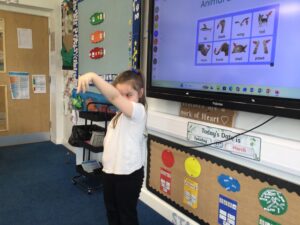
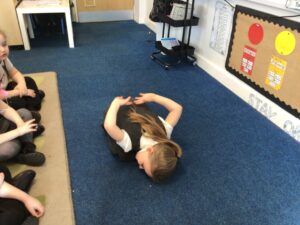
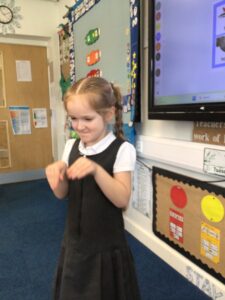
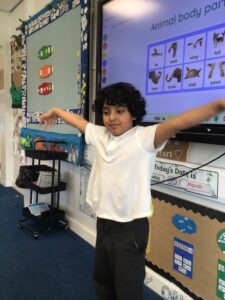
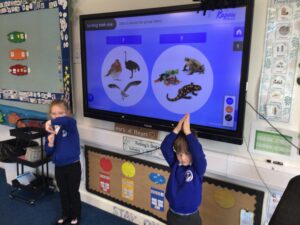
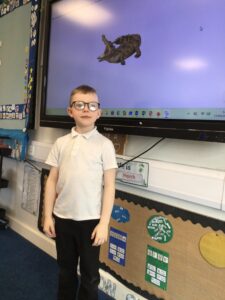
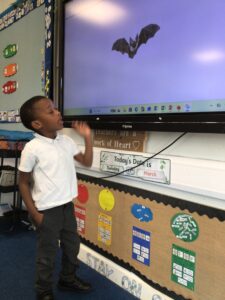
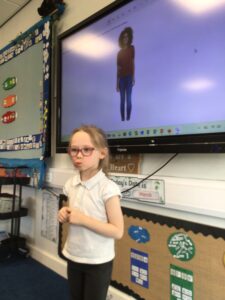
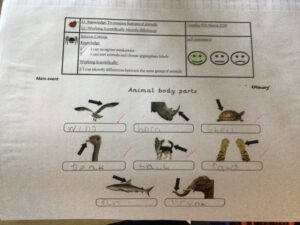
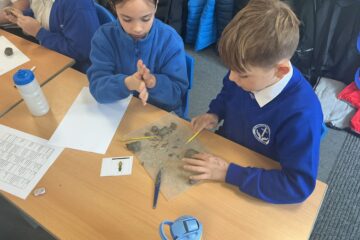
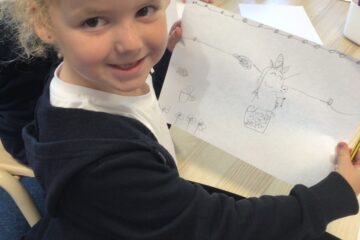
This fun and interactive lesson introduced children to animal body parts and how animals can be grouped by their features. Working in pairs, pupils acted out body parts from the Animal Body Parts presentation—such as tails, fins and trunks—while their partner guessed. They then extended their ideas by inventing actions for new body parts like gills, claws, whiskers and snouts.
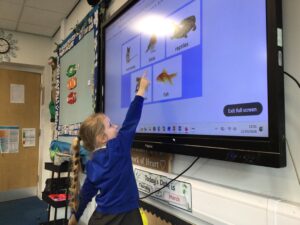
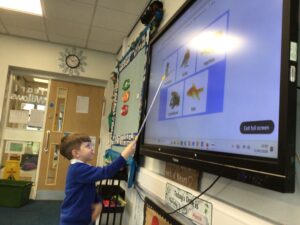
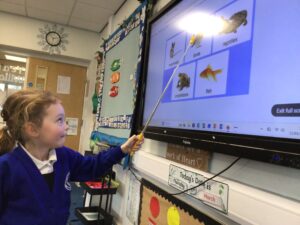
Using the Comparing Animals presentation, children explored how animals can be sorted into groups. They identified similarities (e.g. fish living underwater with gills) and differences (such as hair/no hair) They also learned about reptiles, recognising shared features like dry, scaly skin and egg-laying, while noting differences between species.
🔍 Skills Developed
This lesson supported key scientific skills including observation, classification, comparison and reasoning. It also linked to essential skills from the Skills Builder Partnership, particularly teamwork, speaking and listening, creativity and problem solving.

0 Comments